Pasture Fence Installation Costs
Understanding the factors that influence fencing expenses helps plan for effective pasture management.
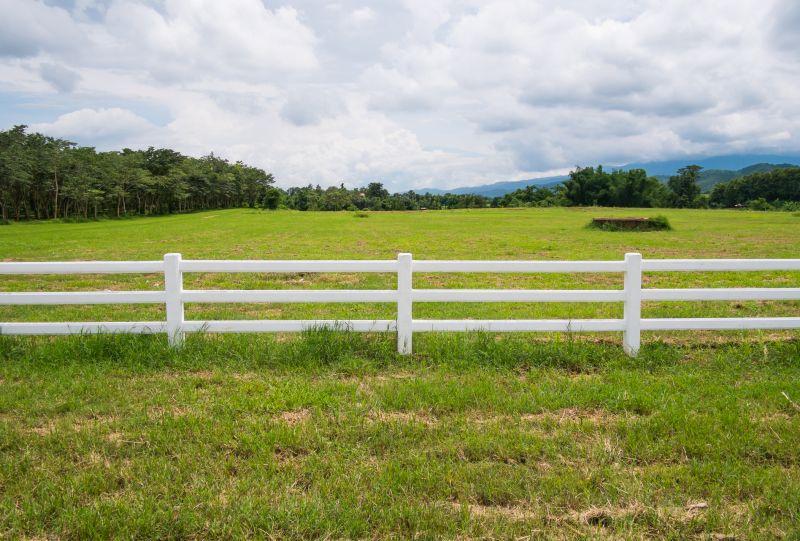
Material Quality
The type of fencing material chosen affects both durability and cost, with options ranging from wire to wood and vinyl.
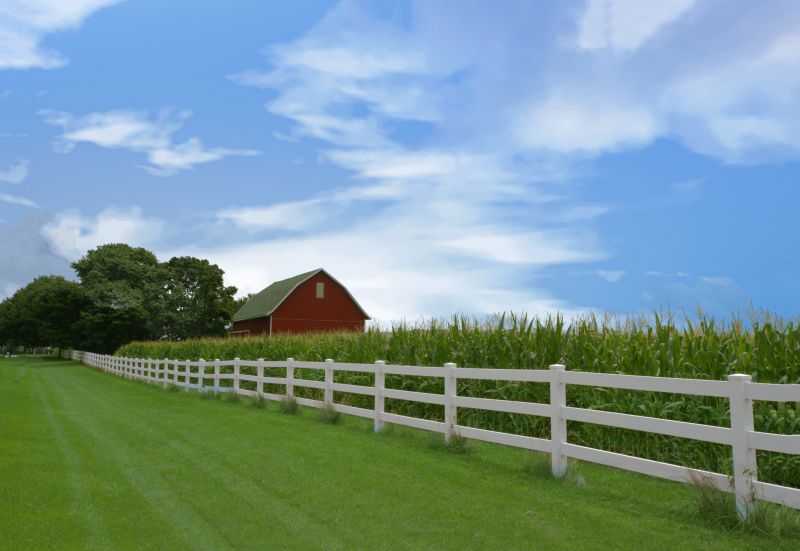
Fencing Length
Longer fences require more materials and labor, increasing overall costs proportionally.
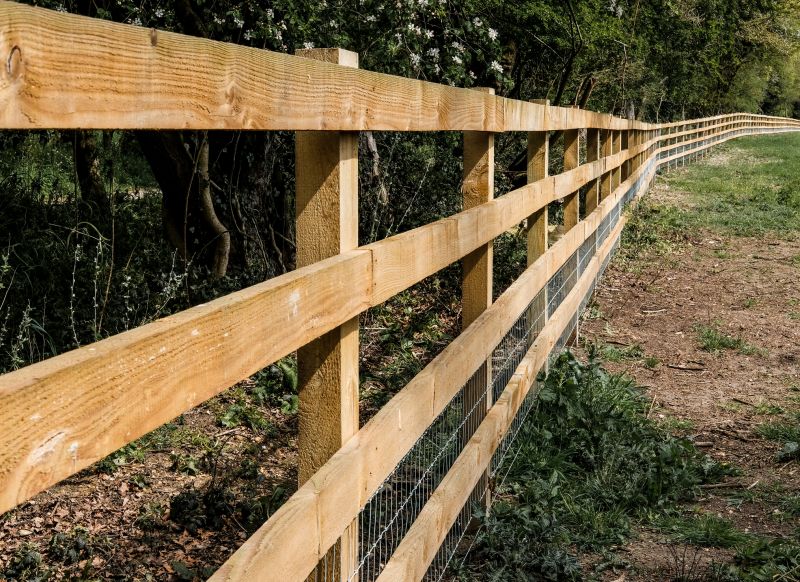
Terrain Conditions
Challenging terrain such as rocky or uneven ground can elevate installation expenses due to additional labor and equipment needs.
| Factor | Average Cost Impact |
|---|---|
| Material Type | Varies from $3 to $25 per linear foot |
| Fence Length | Additional costs per foot depending on total distance |
| Terrain Complexity | Up to 20% increase in labor costs |
| Fence Height | Higher fences cost more due to increased material use |
| Access to Site | Difficult access can add to installation time and cost |
| Permitting Requirements | Can add a few hundred dollars depending on local regulations |
| Post Spacing | Standard is 8-10 feet, affecting material and labor costs |
| Type of Livestock | Different animals require specific fencing types and heights |
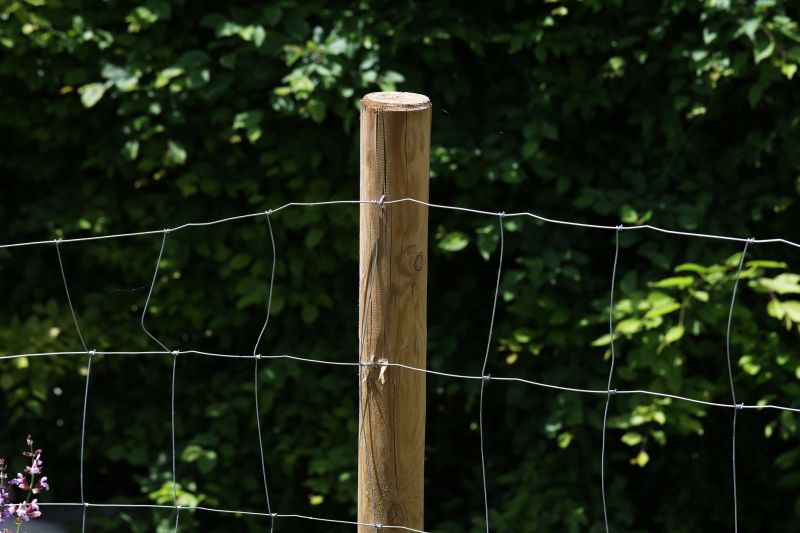
Fence Post Types
Different posts, such as wood, metal, or plastic, impact both cost and longevity of the fencing system.
Fence Gate Options
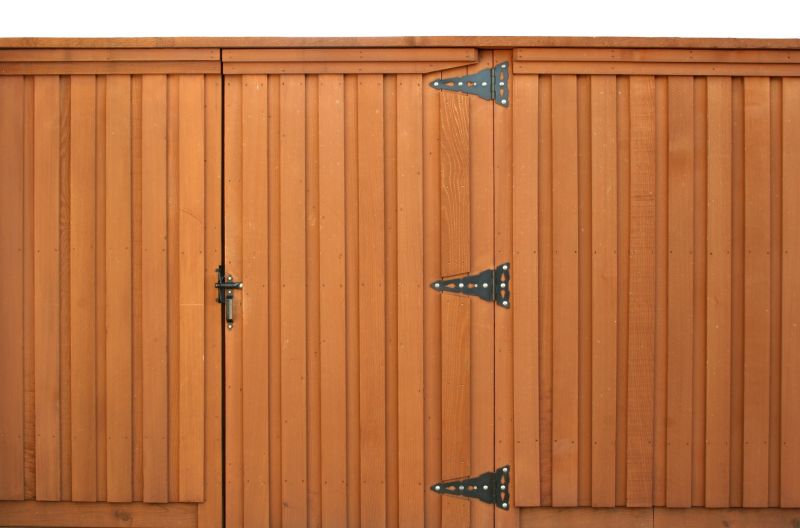
Gates vary in size and material, affecting installation costs and accessibility.
Interior Fencing Features
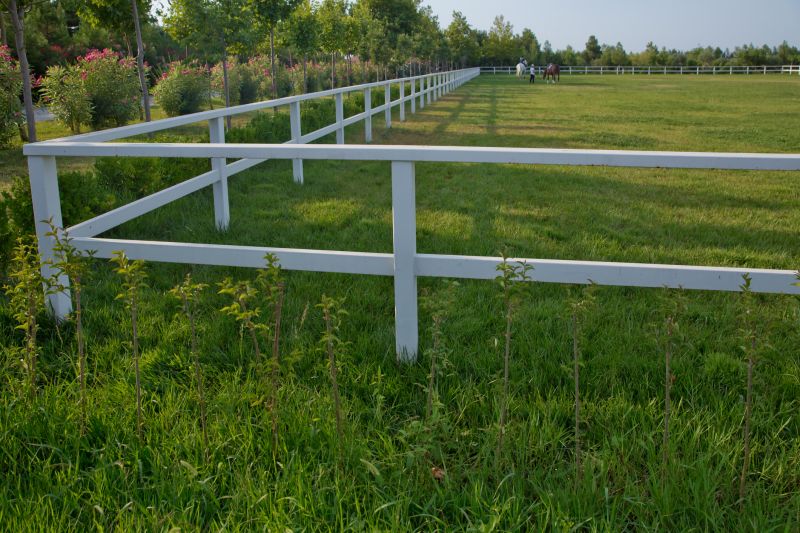
Additional features like electric fencing or woven wire can influence overall expenses.
| Service | Estimated Price Range |
|---|---|
| Basic Wire Fence | $1,500 - $4,000 |
| Wooden Post Fence | $3,000 - $8,000 |
| Vinyl Fence | $4,000 - $10,000 |
| Electric Fencing | $2,000 - $6,000 |
| High-Tensile Wire | $2,500 - $6,500 |
| Livestock-Specific Fencing | $3,500 - $9,000 |
| Temporary Fencing | $1,200 - $3,500 |
| Custom Design Fencing | $5,000 - $15,000 |